
Therapeutic Specialties
Therapy for Complex PTSD (C-PTSD) in Milford, Massachusetts. In person & Virtual.
Somatic trauma therapy for women healing from childhood abuse, emotional neglect, attachment wounds, and developmental trauma.

Complex PTSD is a normal response to non-normal life conditions.
If you were abused or neglected as a child, your body may have come to understand the world through a lens of threat, fear, and survival.
As a child, you depended on your caregivers for both survival and connection— even when those same people were emotionally unsafe, rejecting, neglectful, frightening, or harmful.
You needed the people you couldn't always feel safe with.
Growing up in an environment like this can shape much more than your childhood. It can influence how you experience yourself, your relationships, and the world around you long into adulthood.
You learned that the adults who were supposed to protect you could not— or would not. You may have learned to anticipate danger, read other people's moods, suppress your own needs, or stay on guard for what might happen next.
And now, even though you deeply long for closeness and connection, part of you might still be afraid of it. Wanting to let people in can conflict with what your body learned long ago: that closeness can come with danger, rejection, or loss.
No matter how much time has passed or how much therapy you've done, you may still find yourself shutting down, becoming overwhelmed, disconnecting, or returning to familiar patterns you thought you'd already worked through.
You understand your patterns. You know where they came from.
And yet, something still feels stuck.
You don't have to prove that what happened to you was “bad enough” for its impact to be real.
Maybe no one ever hit you.
Maybe your basic needs were met.
Maybe your parents loved you but were emotionally unavailable, unpredictable, overwhelmed, controlling, or unable to make space for your feelings.
Maybe you learned that love came with conditions.
That being easy was safer than being honest.
That someone else's feelings mattered more than your own.
That you couldn't count on anyone but yourself.
What matters isn't whether your childhood fits someone else's definition of trauma.
What matters is what your nervous system had to learn in order to get through it.

Sometimes the most lasting harm comes not from one moment, but from many accumulated wounds.
Complex trauma often develops over time through patterns of relationship, environment, or experience that left your nervous system without a safe place to land. In my work, I've seen this take countless shapes. It doesn't require a single dramatic event, or even a story of abuse, to be real. What matters most is whether you had a safe person to turn to, or any way out, while it was happening. This can include:
Emotional abuse: chronic criticism, control, shame, or love with conditions
Emotional neglect: needs, feelings, and struggles that went unnoticed
Physical or sexual abuse
Growing up with emotionally immature, narcissistic, or unavailable parents
Being parentified, or taking on too much responsibility too young
Abandonment, betrayal, or unpredictable caregiving
A chaotic, conflict-filled, or unsafe home
When you had to adapt to these experiences for years, your nervous system learns ways of protecting you that can persist long after the original danger is gone.
Just getting by was never meant to be the destination. There is another way.
Your adult mind knows you're safe. Your body may not be convinced yet.
Intellectually, you know that you're no longer that child.
On paper, maybe your life looks fine. You know you’re safe and yet, your body reacts as though something terrible is about to happen.
You might:
Feel flooded by emotions that seem bigger than the situation
Become anxious when someone pulls away
Constantly monitor other people's moods
Feel guilty for having needs or setting boundaries
Struggle to know what you actually want
Have difficulty trusting people, even when you want connection
Feel far from pleasure, sexuality, or your own sense of self
These aren't character flaws or moral failures.
They're survival adaptations, ways of coping with the disconnection, dysregulation, disorganization, and isolation that your body learned when core needs were not met.
You learned how to survive. Now you can learn something different.
The strategies that once helped you navigate an unsafe or unpredictable environment may still be running the show:
People-pleasing.
Keeping everyone happy so no one becomes angry or disappointed.
Perfectionism.
Trying to become impossible to criticize, reject, or abandon.
Hyper-independence.
Learning that needing people is dangerous because you can't count on them.
Dissociation.
Leaving your body or disconnecting from your feelings when something becomes too much.
Anxiety and overthinking.
Trying to think your way into enough certainty to finally feel safe.
A harsh inner critic.
Keeping yourself in line before someone else has the chance to criticize you.
Shutdown.
Going numb, quiet, distant, or disconnected when your nervous system becomes overwhelmed.
Over-functioning.
Taking care of everything and everyone while ignoring your own limits.
The work now is to help your system discover that it doesn't have to live by those rules anymore.

Recovery from complex trauma is possible — and it happens in the body.
Imagine being able to stay present when something feels uncomfortable instead of automatically shutting down or going into overdrive.
Imagine knowing what you feel and need, and trusting yourself enough to act on it.
Imagine relationships where you don't have to abandon yourself to stay connected.
Imagine being able to experience true pleasure, rest, connection, and joy without your nervous system constantly waiting for the other shoe to drop.
This is the work of somatic trauma therapy.
We begin with safety, trust, and a strong foundation of regulation. We don't force you to revisit painful experiences before you're ready. We pay attention to your body's signals and move at a pace that your nervous system can actually integrate.
Together, we begin to understand the protective patterns that developed for good reason, and then create space for something new.
You learned how to survive your childhood. You don't have to spend the rest of your life surviving it.
Kind Words From Clients & Colleagues
-
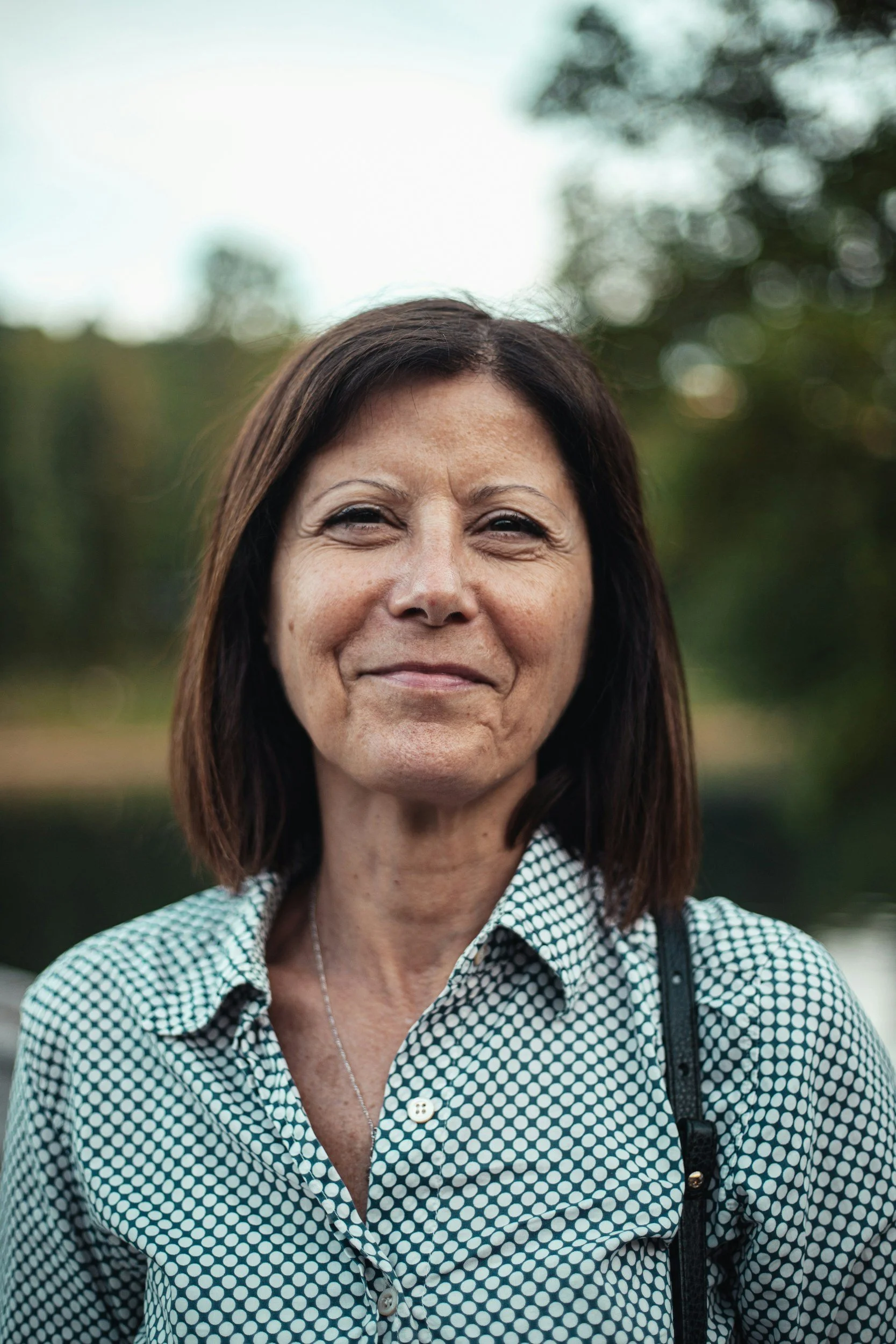
![Close-up of a middle-aged woman with shoulder-length brown hair, smiling outdoors with greenery in the background, wearing a green and white checkered shirt.]()
"A good trauma therapist doesn't expect blind trust from a client with Complex PTSD—they work with you to earn it. That's exactly what Amy Williams did for me. Having lived with trauma since childhood, I had spent years surviving each day rather than truly living. Before working with Amy, I was emotionally reactive. My anxiety often triggered avoidant behaviors that I later found myself apologizing for. Today, I understand my needs, can communicate them clearly, and have learned to establish healthy boundaries in relationships that were once challenging, estranged, or toxic. Learning to recognize my body’s sensations and regulate my nervous system has transformed how I respond to stress. Instead of automatically falling into old fight-or-flight patterns, I can remain grounded in the present. The tension that once controlled my body has lessened, and fear no longer makes my decisions for me. After more than 30 years of working with different therapists, I can honestly say I only wish I had found Amy Williams sooner."
-Anonymous Client
-
![A woman with long dark hair, wearing a large wide-brimmed black hat, a light blue cardigan, and a watch, stands outdoors during autumn with her hands clasped together near her face and eyes closed.]()
“I knew over the 6 years of seeing my therapist that she was the one for me because no matter how many times I went into her office not knowing how to get out of my rut, she never once told me. She would instead help me figure out why I wanted to get out in the first place, and where I wanted to be instead. She would then support me through the navigation. Through this, I began seeing over time that I was capable. Now that I didn’t want to live in my previous lifestyle, I knew I was able to build the future version of myself that I began to dream of."
- Former client
-
![A woman with curly dark hair wearing earrings and a white top, sitting near a window.]()
"When you are looking to deepen your connection with self through embodiment, Amy is the one! She creates a safe, informed and compassionate space to do that work. Knowing her for over a decade I can personally attest to how deeply committed she is to her own growth and that of her clients. Amy is a skilled, thoughtful and caring clinician who I highly recommend!"
- Ashley Harmon, LMHC, BCBA
-
![A black-and-white photograph of a man wearing glasses, resting his chin on his hand, with a thoughtful expression, in an indoor setting with closed window blinds in the background.]()
"I’ve had the privilege of working with Amy Williams For quite some time, and I can confidently say she is an exceptional professional. Amy brings a rare combination of deep empathy, skill, and dedication to her work, creating a space where clients feel genuinely seen, heard, and supported. Her expertise in somatic therapy is especially impactful for women navigating trauma. Amy has a profound understanding of how trauma lives in the body, and she skillfully guides her clients through a healing process that is both gentle and empowering. She meets each person with compassion and respect, while also demonstrating a high level of professionalism and clinical insight. I would highly recommend her to anyone—particularly women seeking support for trauma—who is looking for a knowledgeable, trustworthy, and deeply caring therapist."
- Taruno Steffensen, SEP, ICADC , CSAT
-
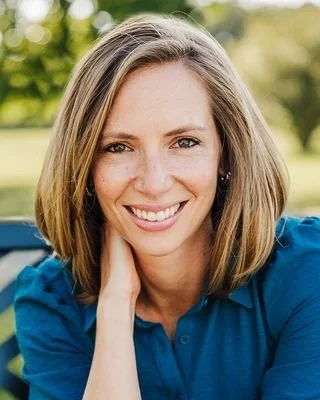
![A smiling woman with shoulder-length brown hair, wearing a blue shirt, outdoors with greenery in the background.]()
"Amy is an experienced trauma and somatic therapist in Milford, Massachusetts. If you are looking for deep healing and want a body-based approach, I would strongly recommend somatic therapy with Amy. Amy brings warmth and compassion to her work with women and is a trusted colleague. Her trauma-informed approach meets clients where they are."
- Jessica Spaman, LICSW
-
![Woman with sunglasses smiling while harvesting olives from a large olive tree outdoors on a sunny day, with blue sky and green grass in the background.]()
"I’ve had the pleasure of working with Amy several times over the years while co-leading multiple somatic retreats. Amy is incredibly professional, warm, and deeply knowledgeable and passionate about her work. She shows up consistently prepared and organized, and leads both individuals and groups with a balance of confidence, compassion, and presence. Amy has an innate ability to hold space, making people feel safe, supported, and seen, while also guiding them through meaningful, transformative experiences. Whether working one-on-one, facilitating group coaching, or leading retreats, Amy brings clarity, care, and integrity to everything she does. She is truly a pleasure to collaborate with, and I would wholeheartedly recommend her to anyone seeking somatic therapy, group work, or deeper personal growth."
- Jana, owner of SUP YO Adventures & The Bartlett Village House




Complex PTSD Frequently Asked Questions
-
Yes. PTSD often develops from a single traumatic event. Complex PTSD develops from trauma that repeated over time — usually in childhood, and usually within a relationship where you depended on the person who hurt you. That relational piece changes everything: it's not just what happened to you, it's that it happened inside the very bond that was supposed to keep you safe. C-PTSD tends to carry additional layers beyond classic PTSD symptoms — chronic shame, a harsh inner critic, trouble with emotional regulation, and patterns in relationships that repeat no matter how much insight you have.
-
Yes. Childhood abuse and neglect are common paths to Complex PTSD, but they're not the only ones. What actually defines complex trauma isn't the specific story — it's whether an experience was prolonged or repeated, and whether you had little or no way to escape it or get help while it was happening. That opens the door much wider than people expect. Birth trauma, difficult NICU stays, chronic or life-threatening illness, repeated medical procedures, growing up in poverty or housing instability, immigration or displacement, and even prolonged caregiver burnout can all leave a nervous system in the same place: stuck in survival mode long after the danger has passed. If you've read about C-PTSD and thought "that's not really my story" while still recognizing every symptom in yourself, it's worth considering that your body may be telling you something your history doesn't fit into a familiar box.
-
Because insight and body regulation are two different things. You can understand your patterns completely — why you shut down, why you people-please, why you can't trust — and still find your nervous system responding the same way anyway. That's not a failure of willpower or a sign you're doing therapy wrong. Complex trauma gets held in the nervous system, not just in your thoughts, so talking about it doesn't always change how your body responds to it. Somatic therapy works directly with the nervous system, alongside the cognitive insight, so change can happen at both levels.
-
This work is often gentler and slower than people often expect. We're not diving right into your worst memories in the first session, or ever, before your system is ready. Early sessions are about building safety and learning to notice what's happening in your body — often the first skill, since C-PTSD can make it hard to feel your body at all, or make certain sensations feel unbearable. As you share your story, we’re continuously checking back in to notice what your experiencing internally, in the present. From there we learn to be with the activation bit by bit, moving at the pace your nervous system can actually integrate.
-
There's no universal timeline, and I'd be cautious of anyone who promises one. What I can tell you is that C-PTSD recovery isn't usually linear — it's not "fixed" in a set number of sessions so much as it's a process of your nervous system gradually learning it's safe to come out of survival mode. Some people notice shifts in weeks; deeper relational and identity-level change tends to unfold over months. We'll check in regularly about what's shifting for you.
-
No. This is one of the most common fears people bring in, and one of the biggest differences between somatic work and traditional talk or exposure therapy. Somatic Experiencing doesn't require a full retelling of what happened. We work with what's present in your body right now — the activation, the bracing, the shutdown — without needing you to relive the story to process it. If and when you feel ready to explore your story in more detail, I’m ready to go there with you.

Meet Your Trauma Therapist, Amy Williams
There was a time I believed I had gotten through childhood unscathed. I chalked becoming a therapist up to "a calling."
Then I became one, and I started to understand that I too carried childhood trauma that had never been treated. There it was, living in my body, showing up as depression and anxiety through my early adult years.
Somatic therapy gave that hurt somewhere to land. It provided me with a container where my wounds could finally be witnessed, and over time, transformed.
I've built my practice around helping women to learn something different from what they had to learn to survive.
Therapy for Complex PTSD That Meets You Where You Are
Therapy sessions are available in person in Milford, Massachusetts.
Online therapy is available for clients anywhere in Massachusetts. For those nearby, we can also create a hybrid schedule that blends in-person and virtual sessions to best support your lifestyle and needs.